Rybakina and Zverev 2026 US Open Champions
Elena Rybakina and Alexander Zverev captured the 2026 US Open singles titles. Beyond their silverware, Zverev's triumph offers an invaluable message of hope to every young athlete managing type 1 diabetes.

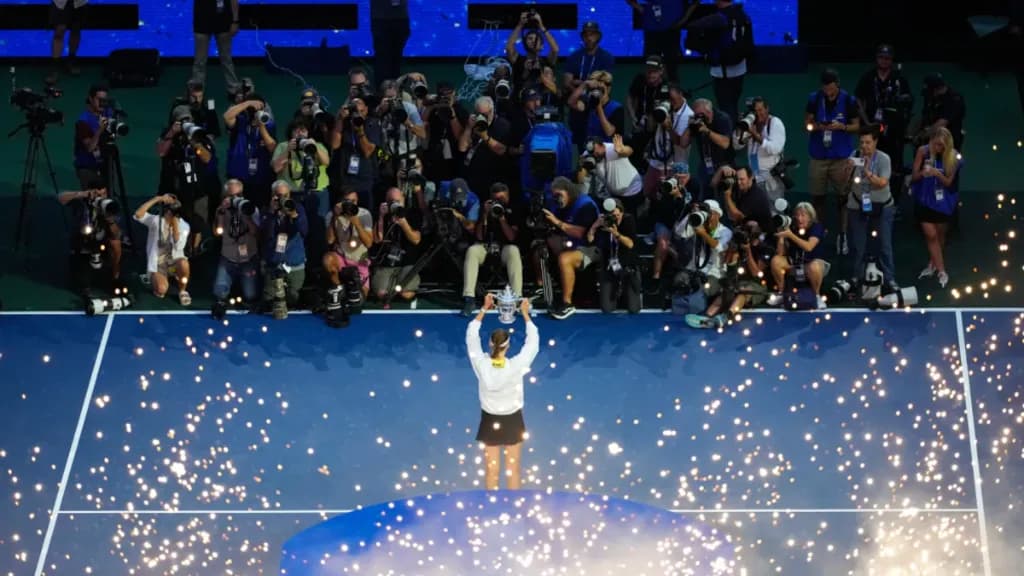
Elena Rybakina hoists the US Open trophy aloft amid celebratory sparklers on Arthur Ashe Stadium
When the final championship points were won on Arthur Ashe Stadium this weekend, the 2026 US Open concluded not merely with the crowning of two deserving champions, but with a powerful reaffirmation of what sporting grit truly means.
In the women's final, Elena Rybakina delivered an exhibition of ice-cool authority and devastating ball-striking to claim her second Grand Slam crown, proving once again that quiet composure and supreme sportsmanship can command tennis's grandest stage. Hours later, Alexander Zverev completed his match, gaining his second grand slam title of 2026.
Beneath the ticker tape and celebratory sparklers, Zverev's triumph carries a deeper, transformative resonance - one that speaks directly to millions of children, teenagers, and families worldwide living with type 1 diabetes.
Defying the Childhood Verdict
When Alexander Zverev was diagnosed with type 1 diabetes at just four years of age, the medical consensus offered to his parents was bleak. As Zverev has recounted openly in recent years, specialists told his mother and father that competitive athletics was out of the question - that reaching the professional ranks of an endurance sport as brutal and demanding as tennis was simply impossible. In fact he thanked his mother in his post match speech.
For decades, many young athletes have heard similar warnings. Type 1 diabetes is an autoimmune condition where the pancreas ceases insulin production entirely, requiring lifelong blood glucose monitoring, precise carbohydrate counting, and daily insulin administration. To maintain that delicate physiological balance while sprinting across a boiling hard court for four hours in New York humidity seems almost unimaginable.
Yet rather than accepting limitations, Zverev resolved to prove that a diagnosis is not a verdict. In August 2022, after years of managing the condition privately, he established the Alexander Zverev Foundation with a twofold mission: providing life-saving insulin and essential medical supplies to children in developing nations, and sending an unequivocal message to young athletes everywhere that diabetes should never dictate the boundaries of their ambition.
The 'Second Match' on Court
What casual viewers admiring Zverev's blistering 140mph serves and heavy baseline drives rarely see is the parallel battle unfolding on every changeover. Elite athletes with diabetes often describe their experience as playing two matches simultaneously: the visible tennis duel across the net, and an invisible, continuous biochemical chess match.
Yet he can often been seen working with his diabetes in the change over. To be that open it must be something that I can expect is inspiring to others facing similar circumstances.
Managing that level of bodily regulation while under the suffocating pressure of a Grand Slam final demands extraordinary discipline. To execute it under the world's most unforgiving sporting spotlight is nothing short of heroic.
A Blueprint for Young Players and Anxious Parents
For junior players competing in regional leagues, weekend tournaments, or county trials, managing diabetes can often feel isolating. Fear of having an episode on court, awkwardness around checking monitors in front of peers, or the anxiety of parents watching helplessly from behind the fence can deter talented children from staying in the sport.
Zverev's journey provides practical, comforting lessons for families navigating competitive athletics with diabetes:
- Own your routine without shame: Checking a monitor, carrying an insulin kit, or pausing to sip a high-glucose drink during a change of ends is not a weakness; it is standard athletic maintenance. Normalising that routine removes the stigma and builds confidence.
- Turn discipline into a superpower: Managing diabetes requires an acute awareness of your body, nutrition, sleep, and stress. When young players develop that mindfulness early, it naturally translates into superior athletic habits and tactical maturity on the court.
- Communicate openly with coaches and referees: Inform tournament organisers, coaches, and club officials beforehand about your monitoring devices and medical needs. Understanding your rights under sporting guidelines ensures peace of mind when competing.
- Accept fluctuations and keep perspective: Even at the peak of professional tennis, unexpected spikes and drops happen. Success lies in reacting calmly, making the necessary adjustments, and refocusing immediately on the next point.
Rybakina's Lesson in Serene Focus
Complementing Zverev's inspirational grit, Elena Rybakina's run to the women's championship reinforced the psychological power of calm. Following her rise to the top of the WTA Rankings, Rybakina navigated the pressure-cooker environment of Flushing Meadows with her unmistakable poise.
In moments of intense adversity - facing break points against heavy hitters and dealing with swirling stadium breezes - Rybakina never exhibited petulance or panic. Her steady breathing, measured cadence between points, and unconditional respect for her rivals demonstrated that inner tranquillity is often the most potent weapon an athlete can possess.
Proof That the Ceiling Does Not Exist
As the 2026 US Open draws to a close, Arthur Ashe Stadium has gifted the tennis world two unforgettable champions whose journeys transcend trophies.
For every young girl practising her serve until sunset, Elena Rybakina proves that dignity and self-belief can quietly conquer the globe. And for every young boy or girl sitting on a park bench testing their blood sugar, Alexander Zverev's victory stands as living, undeniable proof: no diagnosis can ever tell you how far you are allowed to climb.
About the Author
James Heggs
Later in life tennis adopter. Passion outweighing skill.
More in Resilience & Comebacks
Fearless Grit: Rafael Jodar Makes History as Youngest Shanghai Masters Semi-Finalist
At just 20 years of age, Spain's Rafael Jodar has become the youngest semi-finalist in Shanghai Masters history. The rising star sealed his fourth consecutive comeback victory of the tournament.
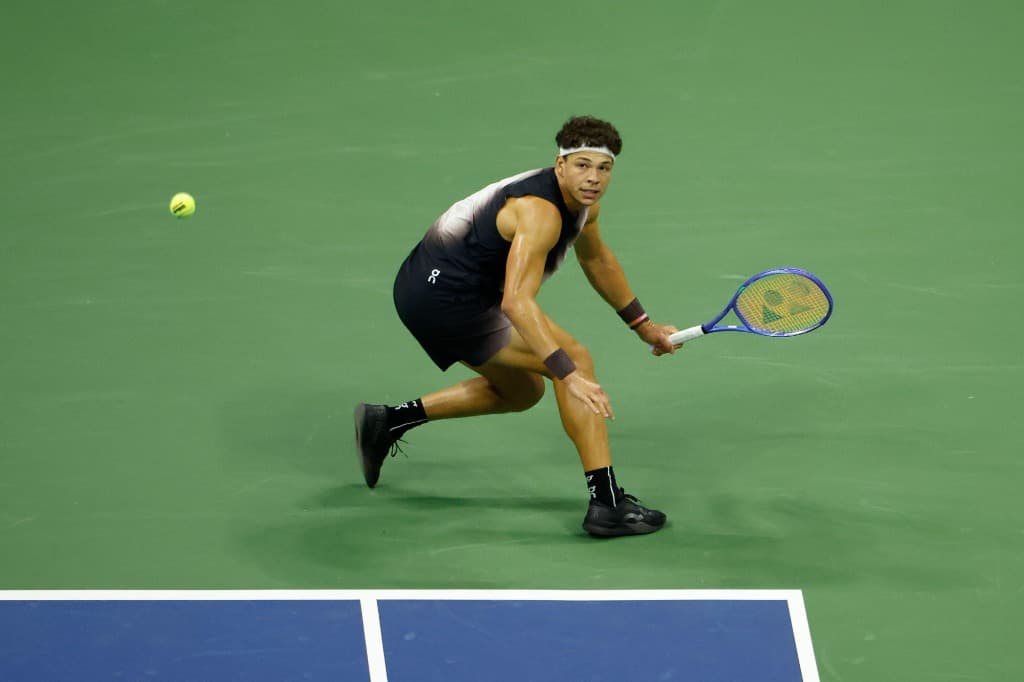
Beyond the 3am Finish: Ben Shelton's Relentless Focus Seals a Historic US Open Final
From a gruelling quarter-final against Carlos Alcaraz concluding past 3:00 am to an electrifying semi-final clash with Frances Tiafoe, Ben Shelton's march to the 2026 US Open final has been a masterclass in resilience. Whilst pundits debated midnight scheduling, Shelton showed that true champions focus only on the next battle.

Chasing the ATP Dream: Why It's Never Too Late to Turn Pro
From returning to professional tennis at the age of 41 to documenting the gritty reality of chasing an ATP point later in life, players like Stefan Seifert (@stefan.seifert.tennis) and Bobby (@bobbyoncourt) are proving that passion doesn't come with an expiry date.